Republic of Palau


Palau has a tropical climate with an annual mean temperature of 83.0 °F (28.3 °C) [3] and average humidity of 82%.  Rainfall can occur throughout the year, and more frequently between July and October (heavily during December and January [4], averaging a total of 128 inches (3,251 mm) in 2007, which is nearly 21 inches (533 mm) less than the normal amount measured in 30 years from 1971 through 2000 [3].  Normal monthly precipitation exceeds 10 inches (254 mm), and in some years each month has received at least 15 inches (381mm).  February, March, and April are the driest months of the year [4]. Winds are generally light to moderate, and the northeast trades prevail from December through March.  

During April, the frequency of tradewinds decreases, and there is an increase in the frequency of east winds.  In May, the winds are predominantly from southeast to northeast [4].  Palau is outside the typhoon belt and is therefore less likely to experience typhoons compared to other places in Micronesia [2]; however, typhoons can happen from June to December.

There are several areas of general environmental concern, including illegal fishing and overharvesting, inadequate facilities for disposal of solid waste in Koror, along with the handling of toxic waste from fertilizers and biocides, and extensive sand and coral dredging in the Palau lagoon [1, 5]. In the last decade, major environmental problems and threats related to climate change has drastically increased. As a result of warming sea surface temperature in 1997 and 1998, mass coral bleaching event occurred.  Approximately one-third of Palau’s corals died, with coral mortality as high as 90% in some areas [2]. This had severe, adverse impacts on its important marine tourism industry. Sea level rise of low-lying areas is a threat to coastal vegetation, agriculture, and the purity of the nation's water supply. Palau already has a problem with inadequate water supply and limited agricultural areas to support the size of the population. The nation is also vulnerable to earthquakes and volcanic activities [5].

Recognizing its dependence on climate sensitive sectors, Palau has participated in climate assessments and developed adaptation strategies to address risks that have been used in national communications and international negotiations.  In addition, Palau has taken proactive conservation measures to protect coastal and marine resources, including implementing permit fees and visitor limits for frequented areas, placing a moratorium on mangrove clearing to protect coastal habitat, and developing marine protected areas to preserve fisheries habitat and resources. (See Stakeholder Dialogue, Republic of Palau, May 1-2, 2006).


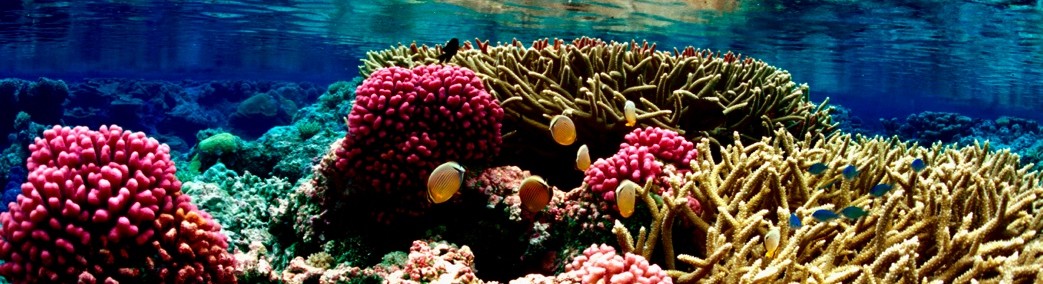
Patch reef at North Babeldaob. Source: Yimnang Golbuu.


Coral Bleaching and Economic Impact
During the 1997-1998 El Niño event, Palau experienced massive coral bleaching and mortality. Approximately one-third of Palau’s corals died, with coral mortality as high as 90% in some areas. Till today the reefs in Palau have still not fully recovered.  Impacts of the elevated water temperature were seen in other habitats such as the famous “Jellyfish Lake.” Presently, coral bleaching is considered one of the greatest threats to Palau’s coral reef ecosystems. In 1996, Palau derived $67 million or 47% of the Gross Domestic Product (GDP) from its tourism industry. From 1992 to 1997 tourist arrivals doubled from nearly 30,000 to 60,000. However, in 1998 Palau experienced a 3.3% decrease in GDP, which may be attributed to the decline in Palau’s coral reef health due to the 1997-1998 coral bleaching event [2].


Rock Island Diving Permit.

Sources


Related Links